



Quick Navigate


Because A Strong Brand Deserves Strong Protection.
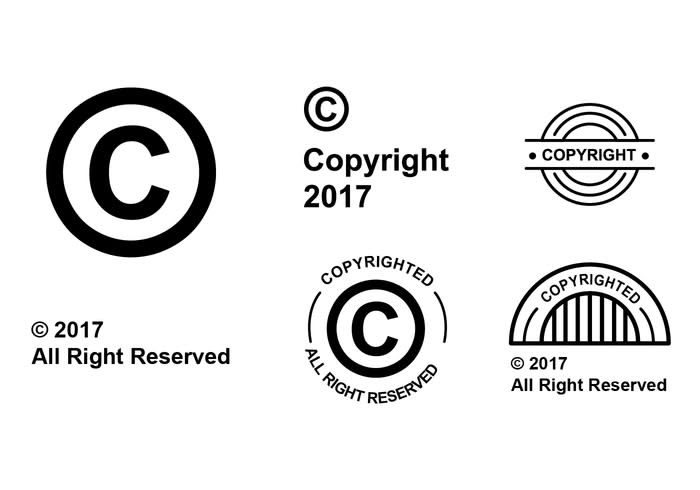
Various Examples of Flat Copyright Symbols
Source: Kevenodes on Vecteezy
There’s a reason the saying “there’s nothing new under the sun” has survived for centuries. Every idea we create is influenced by something we’ve seen, experienced, or admired before. Whether it’s a logo, a product, or even a catchy slogan, creativity rarely exists in complete isolation.
But inspiration and imitation
are two very different things.
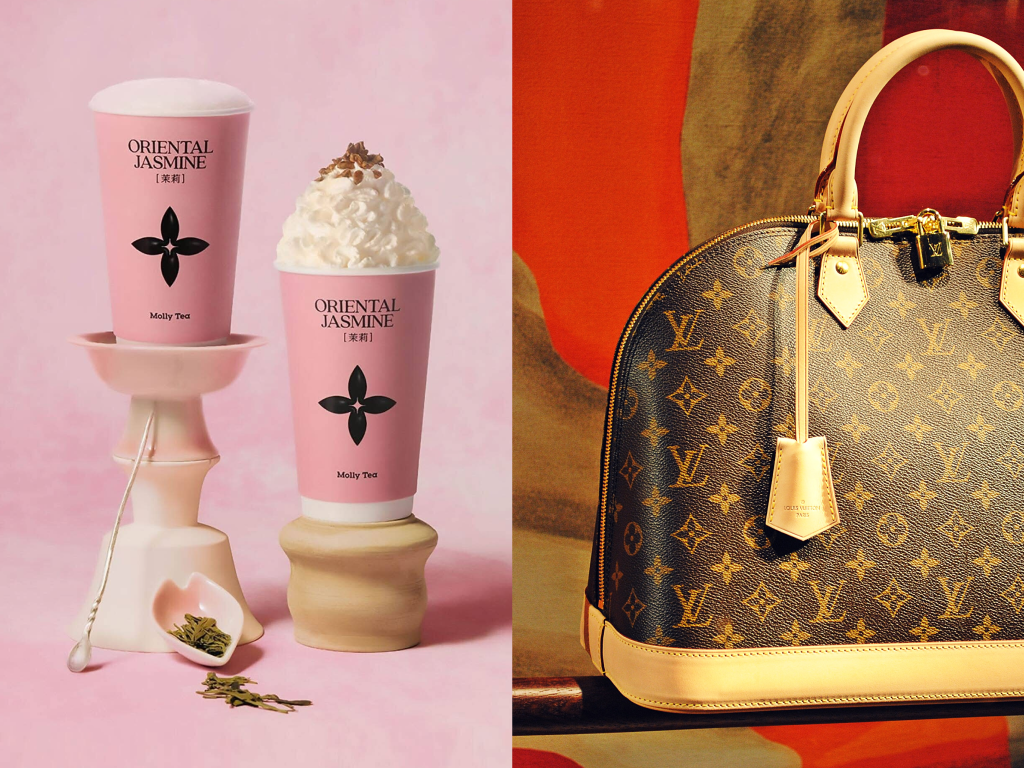
Just recently, luxury fashion house Louis Vuitton filed a lawsuit against Chinese tea chain Molly Tea, claiming its logo was too similar to LV’s iconic monogram. Whatever the outcome may be, it reminds us of one thing: building a brand is important, but protecting it is just as important.
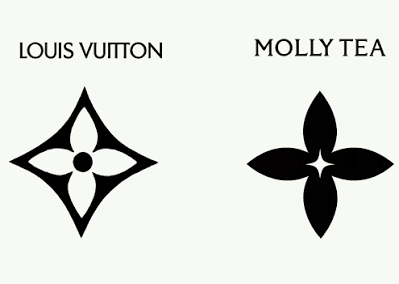
Comparison between the two logos.
Source: LV & Molly Tea
As more businesses in Indonesia invest in branding, from restaurants and cafés to residential developers and hospitality brands, questions like these naturally start to appear: Can someone use a similar logo? What if another business has the same name? Who actually owns a brand?
Let’s untangle it together!
Protecting a Brand Is More Than Just Copyright
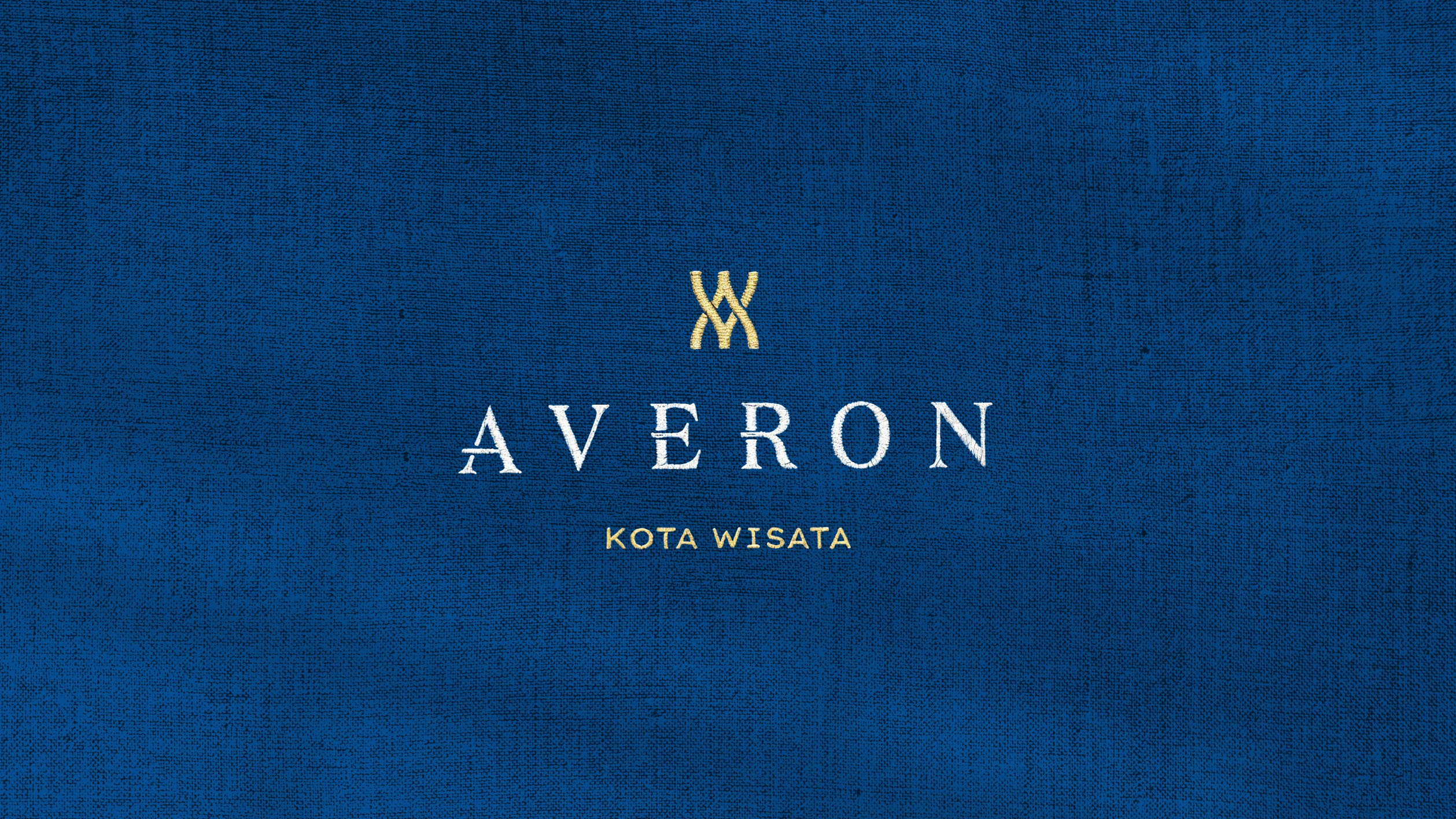
Newman’s branding work for Averon resulted in a brandable name, logo, and illustrations.
Source: Newman Documentation
People often use the phrase “copyrighting a brand” to mean protecting everything that represents their business. In reality, branding is a little more nuanced than that.
A brand consists of many assets, and not all of them are protected in the same way. Some of the most common include:
- Brand Name – the name people remember and search for.
- Logo – the visual identity customers instantly recognize.
- Tagline – memorable phrases that become associated with your business.
- Illustrations & Graphic Assets – original visual works used across your branding.
- Packaging – if its appearance is distinctive enough.
Protection Starts Earlier Than You Think
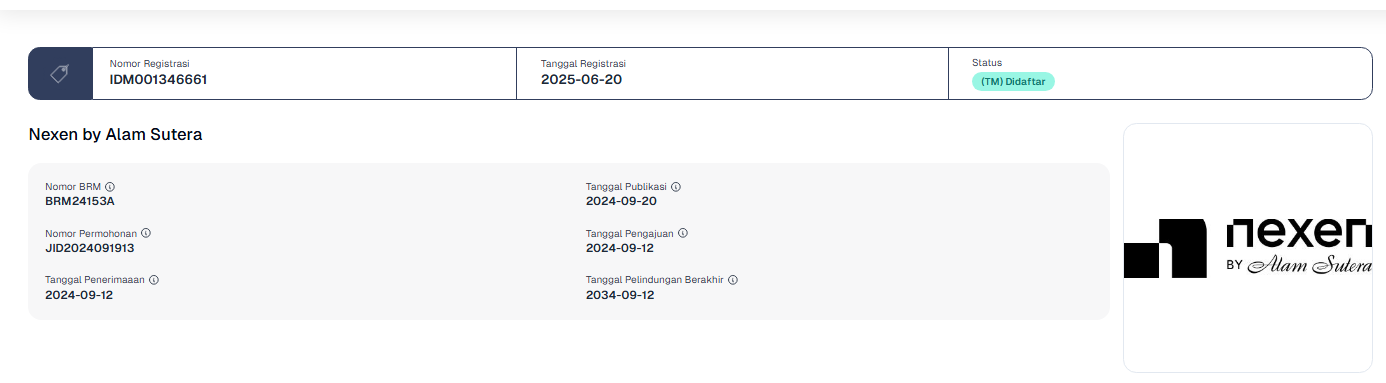
A screen capture of the Indonesian Intellectual Property Rights website of Newman’s branding work for Nexen Alam Sutera’s Name and Logo.
Source: Newman Documentation
One common misconception is that legal protection only comes after a brand launches. In branding, it actually starts much earlier.
Take brand names, for example. At Newman, before we recommend a final name to a client, we first check whether similar names have already been registered in the relevant business category. There’s little point in falling in love with a name that’s already owned by someone else.
A logo follows a different journey. Since it continues evolving throughout the design process, registration usually happens after the final identity has been approved and officially adopted.
In other words, protecting a brand isn’t the last step of branding. It’s part of the branding process itself.
Building a Brand Is Only Half the Job
As branding consultants, this is why we think beyond creating beautiful logos or memorable names.
Whether we’re developing a residential township, a hospitality destination, a retail brand, or a corporate identity, originality is only one part of the equation. We also think about long-term ownership from the very beginning. That means exploring distinctive naming directions, checking potential conflicts before identities are finalized, and creating visual systems that are recognizably yours.
Because building a memorable brand takes time. Losing it to someone else shouldn’t be part of the plan.